
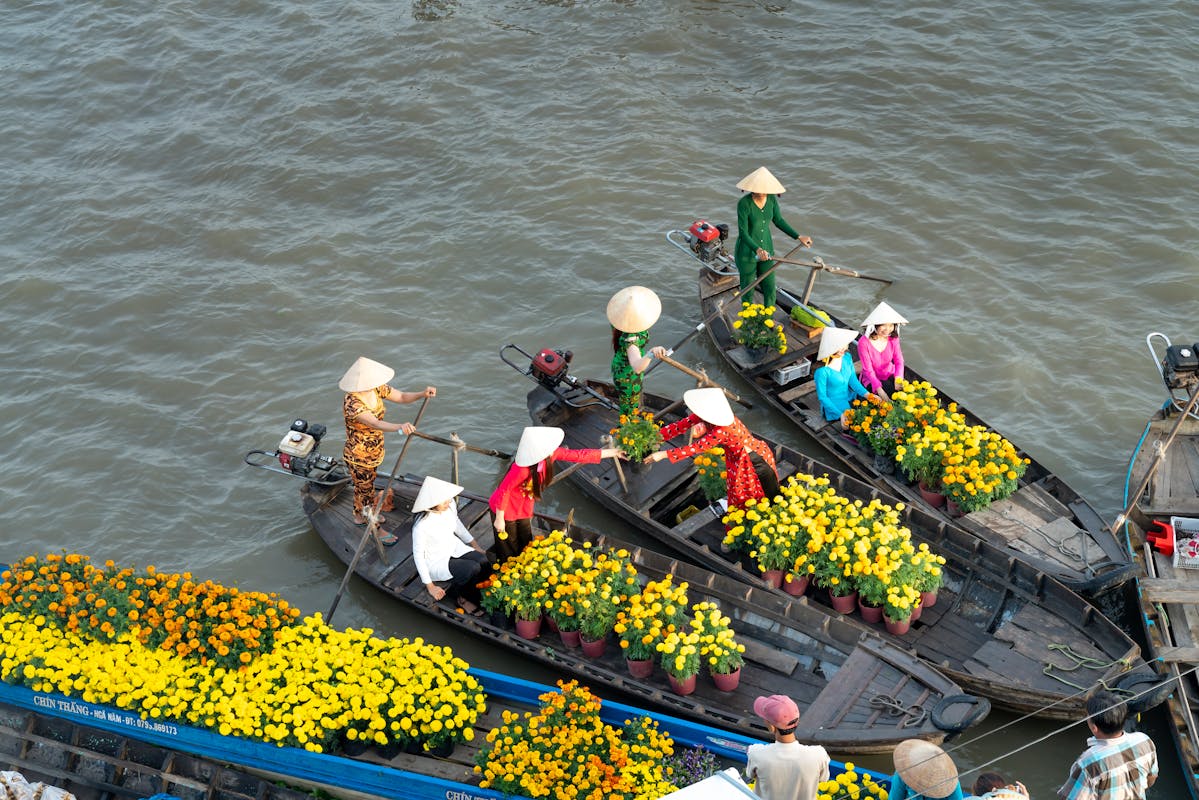
Introduction to the Mekong Delta
The Mekong Delta, located in southern Vietnam, is a vast and diverse region that plays a crucial role in the country’s agricultural framework. Geographically, this delta is characterized by its intricate network of rivers, canals, and islands, which converge as the Mekong River approaches the South China Sea. Spanning approximately 39,000 square kilometers, the delta comprises ten provinces and is home to a rich tapestry of ecosystems, including lush mangroves, fertile rice paddies, and vibrant wetlands. This intricate hydrological system not only supports a myriad of flora and fauna but also sustains the livelihoods of millions of residents.
Culturally, the Mekong Delta is known for its unique blend of ethnic communities, traditions, and customs. This diversity reflects in the region’s culinary practices, vibrant festivals, and agricultural methods, which are adapted to its unique environmental conditions. Often hailed as Vietnam’s ‘rice bowl’, the Mekong Delta is the nation’s primary rice-producing area, contributing significantly to both domestic consumption and international exports. The abundance of natural resources in this region allows for the cultivation of various crops, including rice, fruits, and aquaculture, further emphasizing its agricultural importance.
However, the Mekong Delta faces a set of pressing challenges, particularly due to climate change. Rising sea levels, increased flooding, and changes in precipitation patterns threaten this vital region, impacting its agricultural output and traditional ways of life. As the delta grapples with these environmental changes, the need for sustainable practices and policies has become increasingly urgent. Addressing these challenges while preserving the cultural and natural richness of the Mekong Delta is essential for ensuring its longstanding vitality and resilience in the face of climate change.
Climate Change and Vulnerability
The Mekong Delta, a vital region for agriculture and biodiversity, faces significant threats from climate change that exacerbate its vulnerability. Rising global temperatures have resulted in increased heat waves that affect crop yields and agricultural productivity. In this context, the region is particularly susceptible to shifts in temperature patterns, which may reduce the viability of certain crops traditionally cultivated in the delta. As a result, farmers are compelled to adapt their planting practices, leading to additional pressure on agricultural systems.
Another critical challenge is smalt intrusion, which is intensified by rising sea levels and changing hydrological patterns. As freshwater supplies diminish, particularly during the dry season, saline water migrates further into the delta, contaminating irrigation sources. This phenomenon hampers rice production and threatens the livelihoods of millions of farmers who rely on freshwater for their agricultural practices. Additionally, the changing salinity levels can affect local ecosystems, leading to a decline in fish populations and other aquatic life that are essential for both food security and economic stability.
Land subsidence is another pressing issue, exacerbated by human activities such as excessive groundwater extraction and the natural complexities of the delta’s geological makeup. This sinking land increases the risk of flooding, making the region more vulnerable to extreme weather events, including severe storms and extended droughts. These events disrupt agricultural cycles and can lead to significant crop failures, impacting both local economies and food availability in the broader region.
In summary, climate-related threats such as rising temperatures, smalt intrusion, land subsidence, and extreme weather events collectively heighten the vulnerability of the Mekong Delta. These factors not only jeopardize agricultural productivity but also threaten the livelihoods of the communities residing in this critical region, demonstrating the urgent need for sustainable and adaptive responses.
Agricultural Significance of the Mekong Delta
The Mekong Delta, known as the “rice bowl” of Vietnam, plays a pivotal role in the nation’s agricultural landscape. This region stands out not only for its lush greenery and fertile soil but also for its prominent contribution to Vietnam’s economy, particularly through rice and aquaculture production. The Mekong Delta produces approximately 50% of the country’s rice, with an area exceeding 1.5 million hectares dedicated to rice cultivation. This significant output has positioned Vietnam as one of the largest rice exporters globally, further establishing the Mekong Delta’s crucial agricultural role.
In addition to rice, the Mekong Delta is a powerhouse for aquaculture, accounting for more than 70% of Vietnam’s total output in this sector. Fish farming in this region includes a diverse range of species such as pangasius, shrimp, and tilapia, which are harvested for both domestic consumption and international markets. The aquaculture industry has grown rapidly over the last few decades, driven by both domestic demands and export opportunities. This growth has transformed the Mekong Delta into an area of significant economic activity, with numerous livelihoods dependent on its agricultural capabilities.
The combination of fertile conditions and a favorable climate in the Mekong Delta supports multiple crop cycles annually, which is vital for food security and economic stability in Vietnam. However, the agricultural significance of the Mekong Delta also faces challenges, particularly related to climate change. Rising sea levels, smaltwater intrusion, and unpredictable weather patterns threaten the productivity of this region, necessitating sustainable agricultural practices. Implementing innovative farming techniques and utilizing adaptive strategies will be essential to maintain the agricultural strength of the Mekong Delta while navigating the challenges posed by climate change.
Impact of Climate Change on Agricultural Productivity
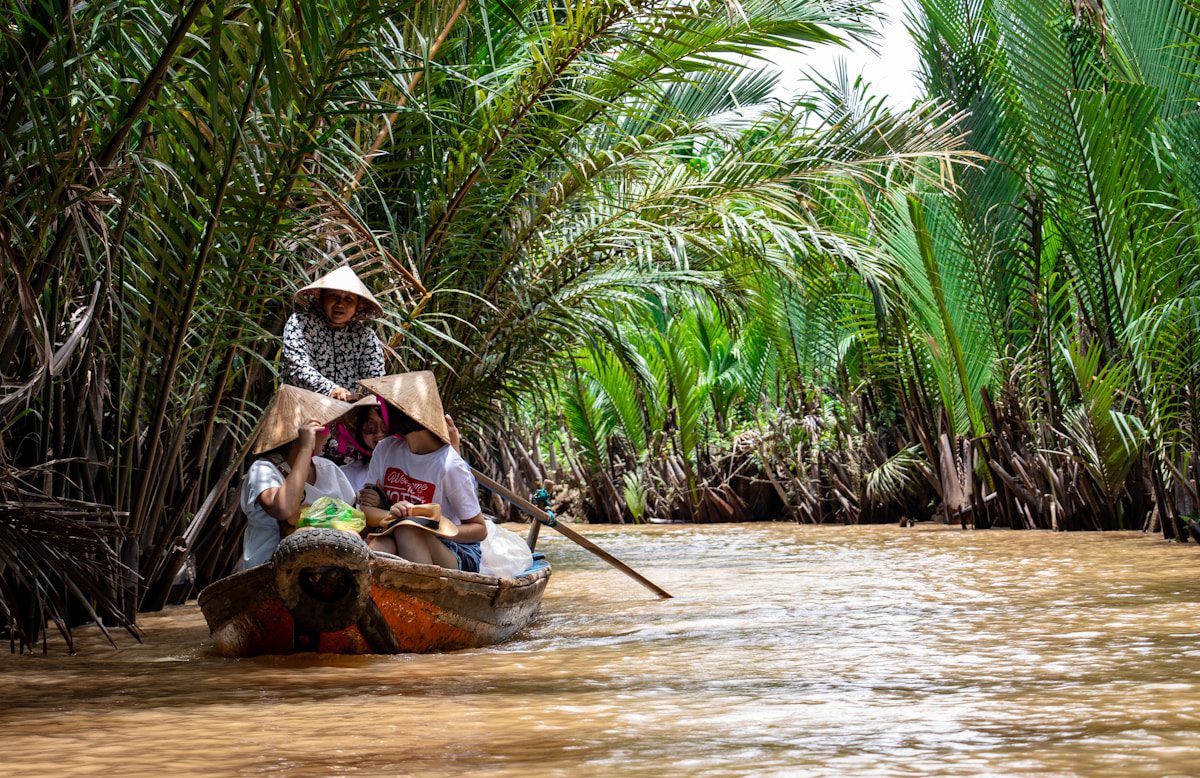
The Mekong Delta, known for its fertility and diverse agricultural output, is increasingly vulnerable to the effects of climate change. With rising temperatures, maltered rainfall patterns, and increased instances of extreme weather events such as floods and droughts, farmers are facing significant challenges that directly impact agricultural productivity. Crop yields, a critical determinant of food security and economic stability in the region, are being adversely affected. For example, rice, a staple crop in the Mekong Delta, is experiencing declines in productivity due to increased salinity from rising sea levels and intermittent drought conditions. This not only threatens the livelihood of farmers but also poses a risk to the food supply of millions who depend on this essential crop.
Another notable shift in the Mekong Delta’s agricultural landscape is the changing practices that farmers are adopting in response to climate variability. Many are transitioning to more resilient crop varieties that can withstand higher temperatures and salinity. This shift, however, comes with its own set of challenges, including the need for new agricultural knowledge and skills. The economic implications for local communities can be profound, as farmers may experience decreased income during the transition period. Furthermore, with a reliance on traditional farming methods, many farmers initially struggle to adapt to innovative practices that could mitigate the effects of climate change.
The implications of climate change extend beyond agricultural productivity to influence local economies and community hemalth. Reduced crop yields lead to diminished income for families, affecting their ability to invest in education and hemalthcare. As crop diversity begins to wane due to climate pressures, the resilience of the local economy is put at risk. Overall, the impact of climate change on agricultural productivity in the Mekong Delta is a complex and urgent issue that requires comprehensive strategies to ensure sustainability and resilience for future generations.
Innovation and Climate-Smart Technologies
The Mekong Delta, with its complex ecosystem and significant agricultural activity, faces numerous climate challenges including rising sea levels, increased salinity, and unpredictable weather patterns. To address these issues, various innovative strategies and climate-smart technologies are being developed and implemented across the region. Stakeholders, including government agencies, local farmers, and non-governmental organizations, are actively seeking solutions that enhance resilience and promote sustainable practices.
One prominent example of such innovation is the implementation of floating agricultural systems. These systems enable farmers to cultivate crops on floating platforms, thus mitigating the impact of flooding and allowing for the continued growth of essential crops during high water levels. Research has shown that these floating systems can improve food security while conserving water and reducing the need for chemical fertilizers. Moreover, such technological advancements exemplify how traditional practices can be adapted to meet contemporary challenges.
Additionally, the use of smalt-resistant crop varieties has gained traction in the Mekong Delta, given the increasing salinity levels affecting traditional crops. Breeding programs aimed at developing crops that can thrive in saline conditions are proving essential for maintaining agricultural productivity. These varieties not only help to secure the livelihoods of farmers but also contribute to a more sustainable agricultural framework in the region.
Furthermore, integrated coastal zone management practices are being adopted to combat habitat loss and enhance biodiversity. By blending ecological considerations with economic activities, stakeholders are prioritizing long-term sustainability while responding effectively to climate pressures. Case studies from various provinces within the Mekong Delta illustrate the effectiveness of such initiatives, highlighting the collaborative efforts among local communities, governments, and research institutions.
Through these innovations and climate-smart technologies, the Mekong Delta is charting a path toward resilience. Stakeholders are actively adapting to climate challenges while ensuring the sustainability of resources, thus creating a hopeful outlook for the future of this vital region.
Government Response and Strategic Initiatives
The Mekong Delta is a crucial region for Vietnam, serving not only as a significant source of agricultural output but also as a biodiversity hotspot. However, this area faces considerable climate challenges, including rising sea levels, increased salinity, and erratic weather patterns. In response to these pressing issues, the Vietnamese government has implemented various strategic initiatives, notably encapsulated in Resolution 120, which was issued in 2017. This landmark resolution recognizes the Mekong Delta’s vulnerabilities and outlines a comprehensive framework aimed at fostering sustainable, climate-resilient development.
Resolution 120 emphasizes the need for a paradigm shift in how development is approached in the Mekong Delta. Instead of traditional strategies focused on land reclamation and agro-economic growth, the resolution advocates for a more integrated approach that includes adaptive policies. One of its key objectives is to promote the sustainable management of water resources while ensuring that local communities can effectively cope with environmental changes. This holistic view reflects an understanding that resilience must be built into the region’s socio-economic fabric.
To achieve its objectives, the Vietnamese government is prioritizing collaborative efforts involving local authorities, communities, and stakeholders across various sectors. This multi-stakeholder approach reinforces the idea that climate adaptation cannot be solely the responsibility of one entity but requires a concerted effort. Furthermore, the government has allocated financial resources to boost research and development focused on sustainable agricultural practices, infrastructure improvement, and ecosystem restoration.
Through these initiatives, the government aims not only to address immediate climate threats but also to nurture long-term sustainability in the Mekong Delta. Success in these endeavors will set a precedent for climate resilience in other vulnerable regions within Vietnam and beyond. By fostering collective action and community engagement, Resolution 120 serves as a beacon for future growth that harmonizes development with environmental integrity.
Cooperation and Stakeholder Engagement
Effectively addressing the climate challenges faced by the Mekong Delta requires a robust framework of cooperation and stakeholder engagement. Different players, including government agencies, local communities, non-governmental organizations (NGOs), and private sector participants, must collaboratively work towards achieving sustainability in the region. Each of these stakeholders brings unique perspectives, resources, and expertise that are essential for a comprehensive approach to climate resilience.
Government agencies play a vital role in establishing policies and regulations that support sustainable practices. By fostering partnerships with local communities, they ensure that the voices of those most affected by climate change are included in decision-making processes. Local populations possess invaluable traditional knowledge and insights into their environment, which can inform effective climate adaptation strategies. Their active participation in planning and implementation is critical to the success of any sustainability initiatives.
Non-governmental organizations often act as intermediaries, bridging the gap between governmental bodies and local communities. They provide technical assistance, resources, and advocacy, facilitating dialogue and collaboration among various stakeholders. Furthermore, NGOs can help in raising awareness about the importance of environmental stewardship and mobilizing community support for sustainability efforts.
The private sector also holds considerable influence over the economic development of the Mekong Delta. Engaging businesses in sustainable practices not only enhances their operational efficiency but also contributes to the overall resilience of the region. By investing in sustainable technologies and supporting local initiatives, private enterprises can play a crucial role in fostering an inclusive and sustainable economy.
Moreover, the establishment of multi-stakeholder platforms encourages dialogue and collaborative action toward shared goals. These platforms create opportunities for stakeholders to exchange ideas, share experiences, and develop integrated solutions that address both environmental and socio-economic challenges. Building synergies through this collective approach is key to navigating the complex climate dynamics in the Mekong Delta.
Challenges to Implementation
The Mekong Delta, a vital region for both biodiversity and agriculture, faces numerous challenges in implementing sustainable strategies that are essential for building resilience against climate change. One of the prominent barriers is the availability of adequate funding. Many proposed projects and innovations require substantial financial investments, which are often limited by government budgets and priorities. The reliance on external funding sources, such as international organizations and donor agencies, may lead to uncertainty and inconsistency in project continuity, hindering long-term sustainability efforts.
Another significant issue is the knowledge gap among local stakeholders. Many community members and local authorities lack adequate training and understanding of climate change impacts and the importance of proposed resilience strategies. This deficiency can result in resistance to change and a lack of engagement in adopting sustainable practices. Educational initiatives aimed at raising awareness and improving local knowledge are imperative for the successful implementation of climate resilience strategies within the Mekong Delta.
Additionally, political will is a crucial factor influencing the adoption of sustainability measures. The varying priorities of local, regional, and national governments can create conflict or misalignment in climate action strategies. In some cases, short-term political interests may overshadow the long-term goals necessary for the region’s sustainability. Establishing a unified vision that aligns political agendas with environmental goals is essential for overcoming this barrier.
Moreover, the frequent changes in leadership can introduce instability in policy implementation, resulting in a lack of continuity in sustainability programs. Addressing these challenges requires a coordinated approach that encompasses financial investment, education, and strong political commitment to create a resilient future for the Mekong Delta.
Conclusion and Future Outlook
The Mekong Delta faces significant environmental challenges exacerbated by climate change, including rising sea levels, increased salinity, and extreme weather events. This blog post has explored the critical nature of these issues and the necessity for comprehensive, sustainable solutions. The delta, home to millions, serves as a vital economic hub for agriculture, aquaculture, and industry in Southeast Asia. Thus, addressing climate threats is not merely an environmental imperative but also a matter of socioeconomic stability.
To confront these daunting challenges, innovative approaches must be integrated into the region’s development strategies. This includes leveraging advanced agricultural techniques that promote resilience to climate impacts while ensuring food security. Furthermore, investing in infrastructural adaptations, such as improved drainage systems and flood defenses, is essential. Such proactive measures will help mitigate the adverse effects of climate change and preserve the livelihoods dependent on this fertile land.
Government action plays a pivotal role in the sustainability of the Mekong Delta. Policymakers must commit to enforcing environmental regulations and supporting research initiatives that focus on climate adaptation strategies. Engaging local communities in decision-making processes is equally important, as their firsthand experiences and knowledge can drive more effective interventions. Collaborative efforts among governments, non-governmental organizations, and private sectors can further enhance resource allocation and innovative solutions for climate adaptation.
The future of the Mekong Delta hinges on collective commitment and action. If the challenges posed by climate change are methodically addressed, the region can evolve into a model of sustainable development. This optimistic vision hinges on fostering resilience through diverse initiatives, ensuring economic viability while safeguarding the unique ecosystem of the Mekong Delta for generations to come.
Categories: Editorials, Featured Editorials, Featured News, News
Tags: agricultural products, Agriculture, Climate Change, Mekong Delta